
pomo update 12.0
women @ work, Pasolini, & zoomer parishes
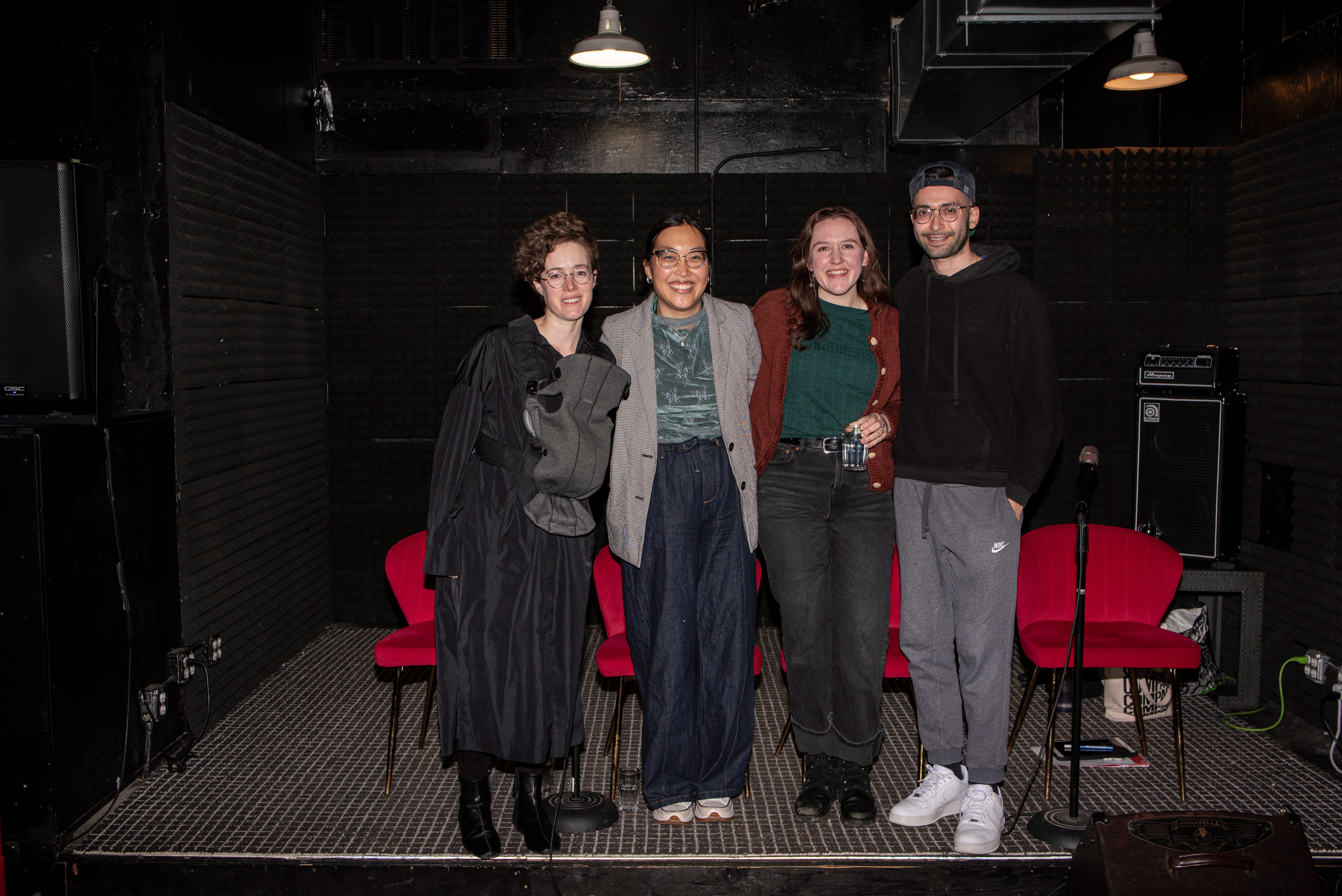
Should Women Be Working?
Thanks to Bridget Ruffing, Emilia Tanu Chornay, and Audrey Pollnow for the amazing night! And thanks to everyone who braved the cold to come out…and to the men who did over 30 pushups (though we would’ve saved some money if you were a little weaker!).
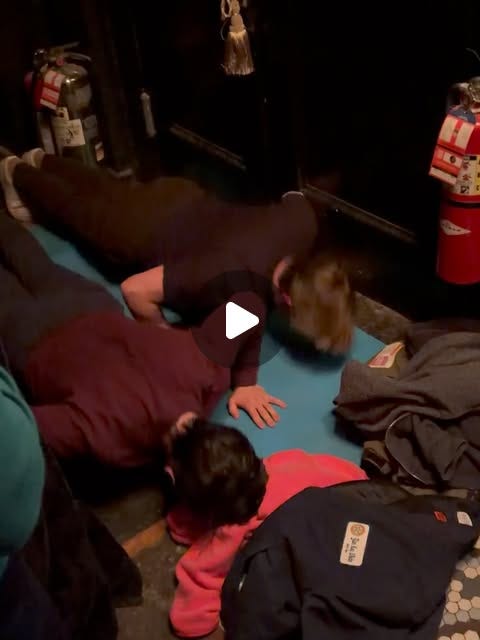
Lucky for the rest of you who chickened out, we have the recording AND photos (and some videos). Check them all out here. Thanks as always to Lori and the team at KGB for hosting (shout out to Carrigan and Vonnie and T), and to Jacob Amaro for the gorgeous photos.


Upcoming events:
An Interintellect salon feat. João Ruy Faustino on Life in the Global Village: Marshall McLuhan, Silicon Valley, and the Future of Globalization. Get tix here. Monthly/Founding subscribers can DM for discount code. (2/11)
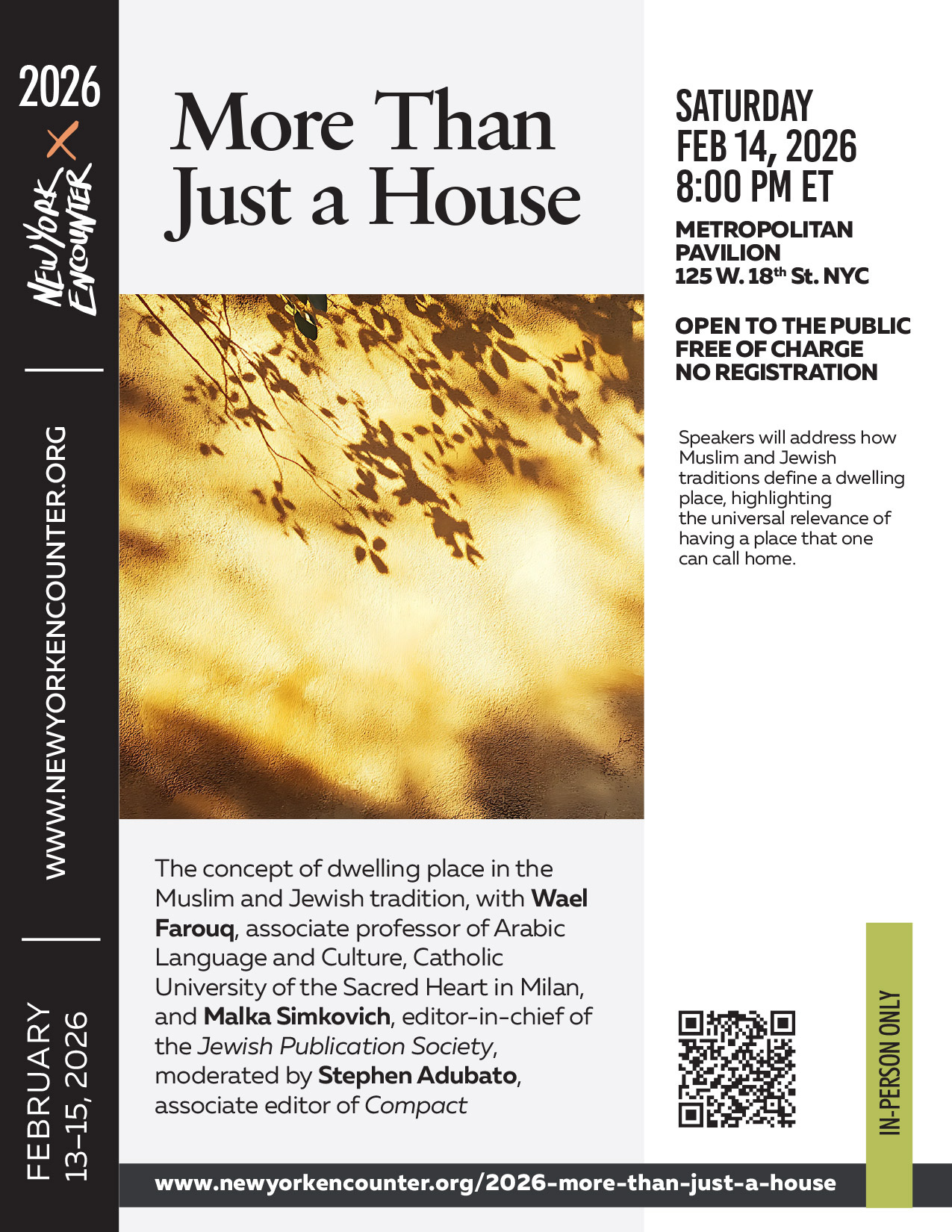
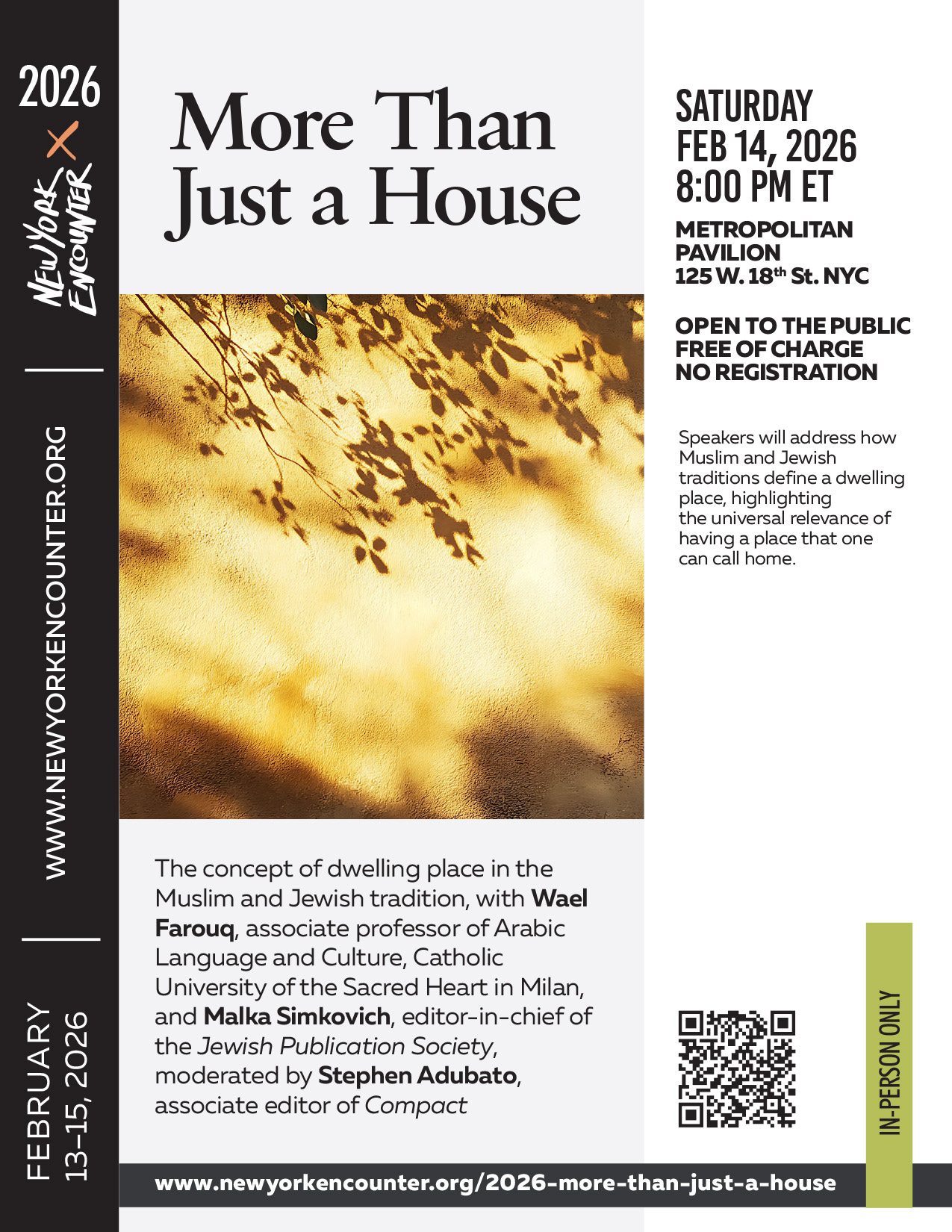
The New York Encounter is upon us. This year’s theme will focus on belonging:
In a world of isolated global consumers, a core aspect of being human is resurfacing: the deep need for places of belonging. But not every place provides what our heart longs for. We need a dwelling place, not a refuge, where life and the world are imbued with meaning, truth is sought, and forgiveness is experienced.
The program will feature speakers like Cardinal Pizzaballa, Ron Hansen (author of one of the most important books on the cracks in pomo syllabus), Paul Mariani, et al…as well as the panel discussion Stephen is hosting on the meaning of home in the Jewish and Islamic traditions with Wael Farouq and Malka Simkovich on Saturday (2/14) evening. (free of charge)
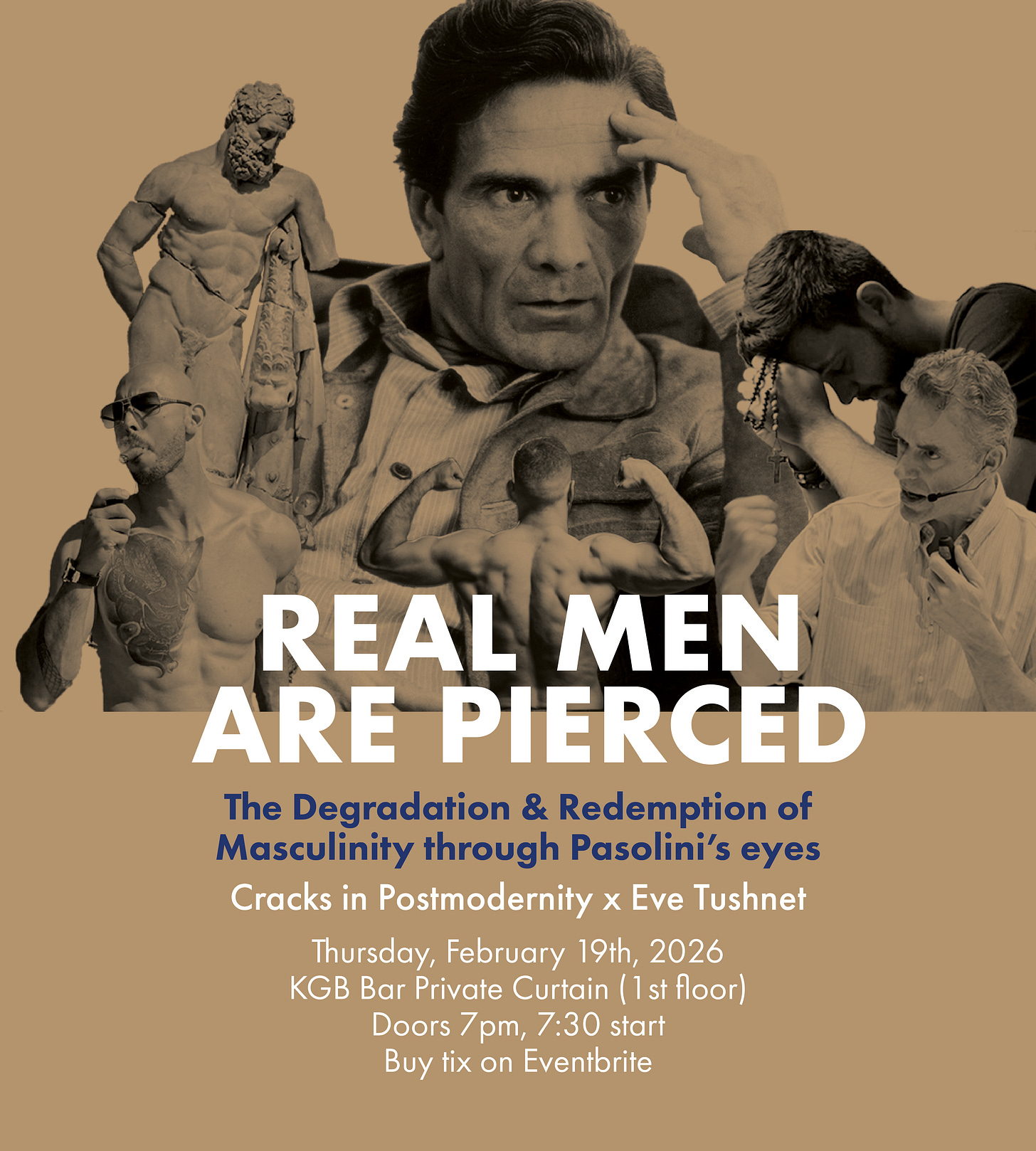
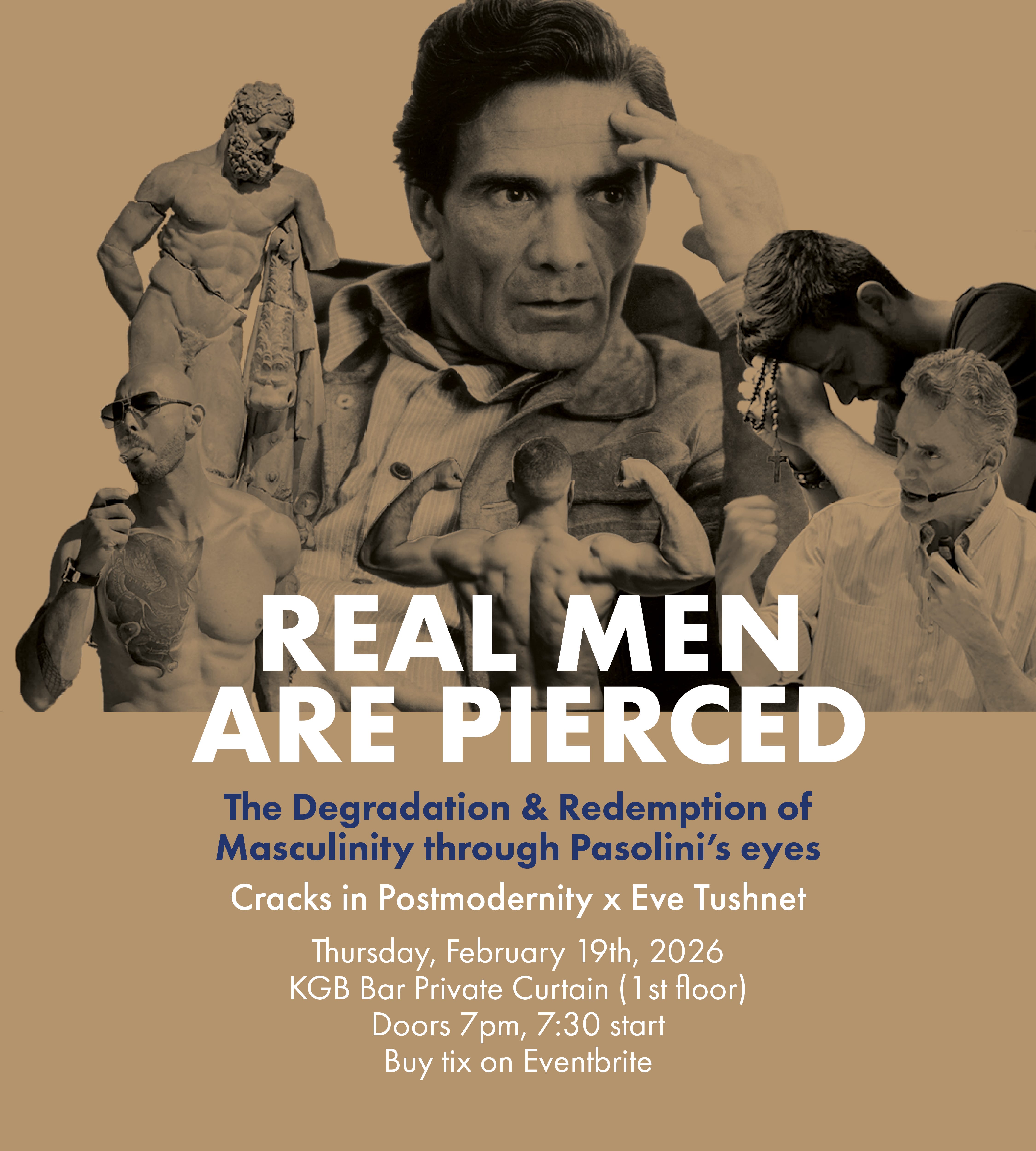
Get your tickets to Real Men are Pierced: The Degradation & Redemption of Masculinity through Pasolini’s eyes feat. the great Eve Tushnet on 2/19 at KGB. (paid subscribers, DM for the discount code)
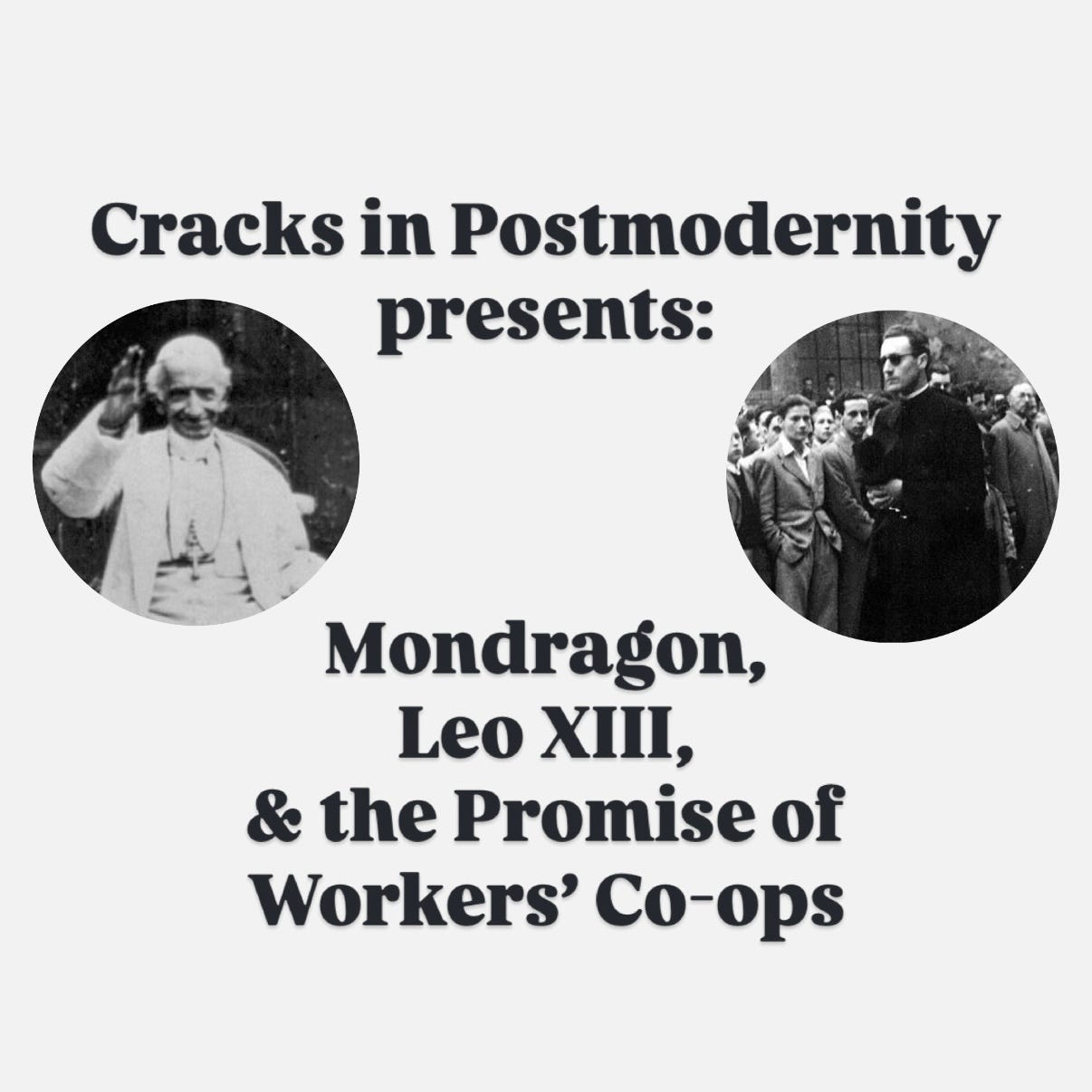
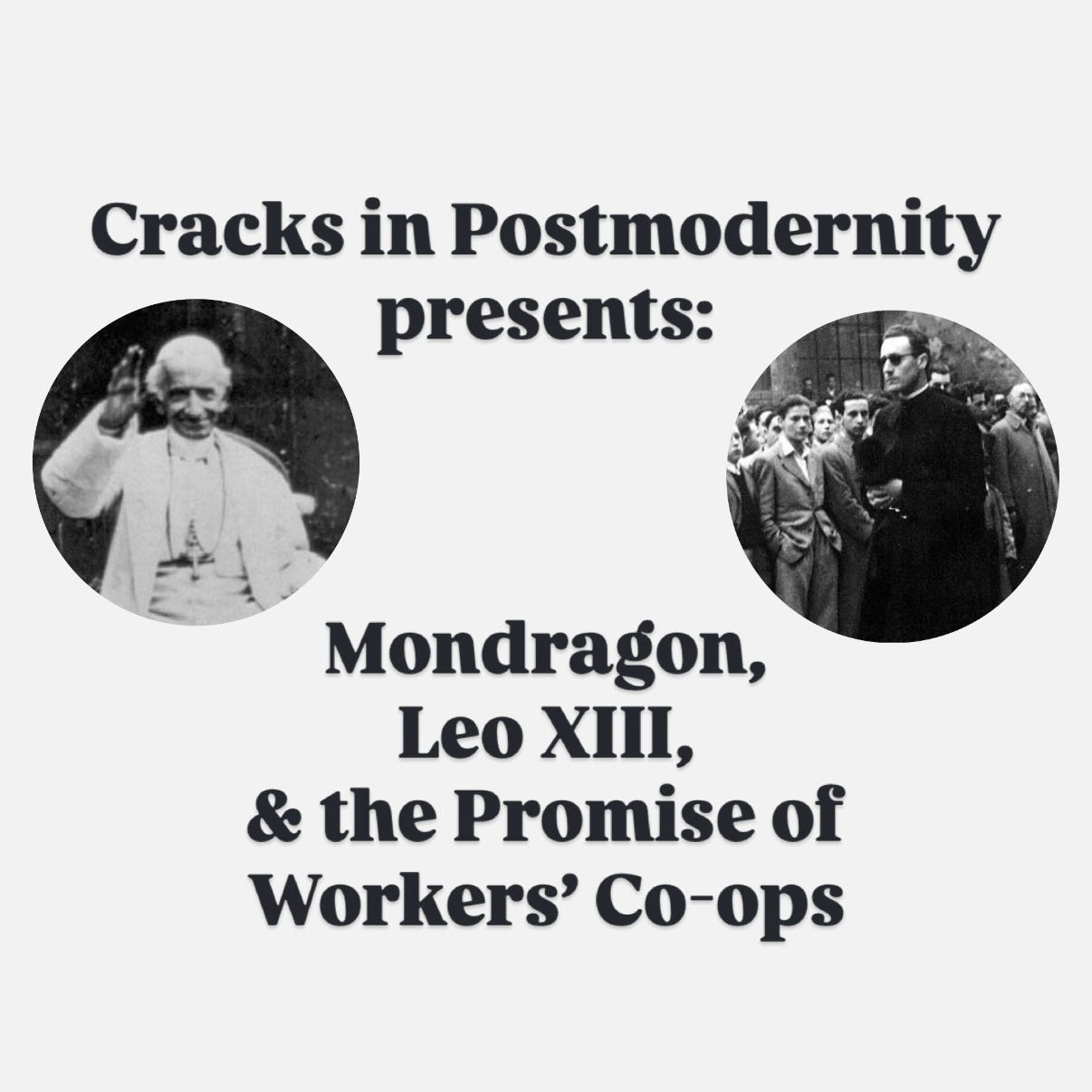
Pomo will be hosting a Friday night meeting on Mondragon, Leo XIII, & the promise of workers’ co-ops at the Catholic Worker Maryhouse on 2/20. RSVP here.
Too reel
Check out our latest reel inspired by the infamous “why are you gae” meme, and based on my chapter in Inversion (and my Compact article).
also available on TikTok
In case you missed it
Check out Jonah Howell’s fabulous review of Justin Lee’s latest book
But when Lee’s characters do find their redemptions—it does happen—it is through recognition that sins—their own, their loved ones’—are stumbling waypoints rather than endpoints. For all his book’s horror, for all its brutality, I am still convinced that Lee is a serious optimist. There is no character, here, whom he hates or outright condemns, though some of them certainly warrant it.
Stephen on why zoomer caths should NOT all congregate at the same parishes in the Wall Street Journal
I can’t blame young people—especially converts—for seeking out parishes that respond to their needs. I hope that after finding spiritual community and maturing in their faith, they will choose to get involved in other parishes—preferably their local one. Ideally, more of these parishes will offer ministries that cater to the needs of zoomers and converts. But without a mix of people of different ages, ideologies, walks of life and levels of faith, parish life risks becoming a stifling, overly homogeneous echo chamber—one incapable of sustaining a lively faith.
Stephen on why you shouldn’t have time to bulk in no pomo
The reality is, bulking requires great amounts of time, money, and energy. You have to go to the gym like 4-6 times a week. You have to plan out your meals so that they consist of at least your bodyweight in protein and minimize the bad fats and carbs. This means that on top of having to spend time prepping numerous meals and purchasing food and supplements, and less freedom to eat with other people (and to eat tasty food).
Stephen on the need to preserve homosocial spaces in Compact
Progressive suspicion of male-only spaces is especially severe. They are said to be bastions of homophobia, misogyny, and other “toxic” masculine traits. Sometimes this is the case. I’ve seen with my own eyes how immature and cruel men can be toward other men who don’t fit in and in the way they speak about women in these spaces. But this is hardly a reason to swing the pendulum the other way by doing away with homosocial spaces wholesale. Critics of the excesses of sex-segregation overlook the ways that they can help outliers to navigate the complex tension between the chosen and unchosen elements of one’s identity, of conformity and individuality, and to experience the possibility of belonging and affirmation along with their uniqueness.
From the archive
Just to follow up on my point in the WSJ piece, these zoomers who congregate at the same NYC parishes [*cough cough* St. Joe’s, old St. Pat’s, St. Vincent’s] run the risk of confining themselves to a silo…and remaining aspy, moralistic, solipsistic trads…or becoming like this guy who deems it appropriate to “rate” parishes on TikTok (while thirst trapping the ladies…and gays).
So if you’re a young convert who’d like to broaden your horizons, check out our list of churches in NYC (and NJ) that you should visit:
And since everyone’s talking about the millennials who love Harry Potter, here’s my hot take on the topic in AmCon from back in 2022 (way before the NYTimes covered it):
Some of my deeply pious friends see the Potter franchise differently, claiming it upholds moral virtues in accord with most monotheistic religions and Christianity in particular. But after watching the Harry Potter 20th Anniversary: Return to Hogwarts special, I have come to the conclusion that Harry Potter is primarily neither implicitly Christian nor implicitly demonic. Rather, it is an unapologetic ode to the triumph of secular humanism.
…
The characters’ use of magic doesn’t tap into any eternal forces (be they benevolent or malevolent) or entities that transcend themselves. Spells are cast purely for pragmatic purposes—getting some kind of job done faster, just like technology—rather than being a means of drawing closer to an external entity or ideal like God, gods, or demons.
The only gods that Rowling’s characters worship are the two gods that all of us living in liberal society worship: being morally “pure” (being a “good, tolerant person”) and being materially satisfied, particularly with forms of entertainment and mediation that distract us from the emptiness of the metanarrative we are fed.
No need to search for some ontological meaning, to implore a force beyond yourself to come to your aid, when you have all the comforts you can wish for. As long as we try to do what’s right, be tolerant of others, and be our authentic selves, all will be right with the world. The magic of “believing in yourself” masks the vapidity of your existence and your unwillingness to face it for what it is.